The evolution of gambling tracing the roots and milestones through history
The Ancient Origins of Gambling
The practice of gambling dates back thousands of years, with evidence suggesting its existence in ancient civilizations such as China, Egypt, and Mesopotamia. Archaeological findings indicate that rudimentary forms of dice and betting games were used as early as 3000 BC. In China, the earliest known gambling activities involved simple dice games, which were often tied to rituals and cultural practices. Additionally, many Australians enjoy the thrill of gaming at their local establishments or through online pokies real money options, reflecting a modern twist on age-old traditions. Similarly, in ancient Egypt, games of chance were not only popular among the common people but also within the royal courts, reflecting both social stratification and communal engagement.
As civilizations advanced, so did the complexity of their gambling practices. The Romans, for example, integrated gambling into their society through games of chance such as betting on gladiatorial contests and chariot races. This integration showcased not just the thrill of risk, but also the societal acceptance of gambling as a form of entertainment. The introduction of more sophisticated gaming devices, like dice made from bones and carved wood, marked a significant milestone in the evolution of gambling, leading to its deeper roots in human culture.
Gambling in these ancient contexts was often intertwined with mythology and spirituality. Various cultures believed that the outcome of games of chance was influenced by divine forces. This belief system contributed to the development of rituals designed to appease gods before engaging in gambling activities. The duality of gambling as both a game of chance and a spiritual practice created a rich historical tapestry that laid the groundwork for gambling as we know it today.
The Rise of Organized Gambling in the Middle Ages
The Middle Ages marked a pivotal period in the evolution of gambling, particularly in Europe. As societies transitioned from feudal systems to more structured governments, gambling began to take on a more organized form. The introduction of gambling houses and the first forms of organized betting emerged in the late medieval period, particularly in cities like Venice and London. These establishments offered various games of chance, attracting a broad spectrum of society, from nobility to commoners.
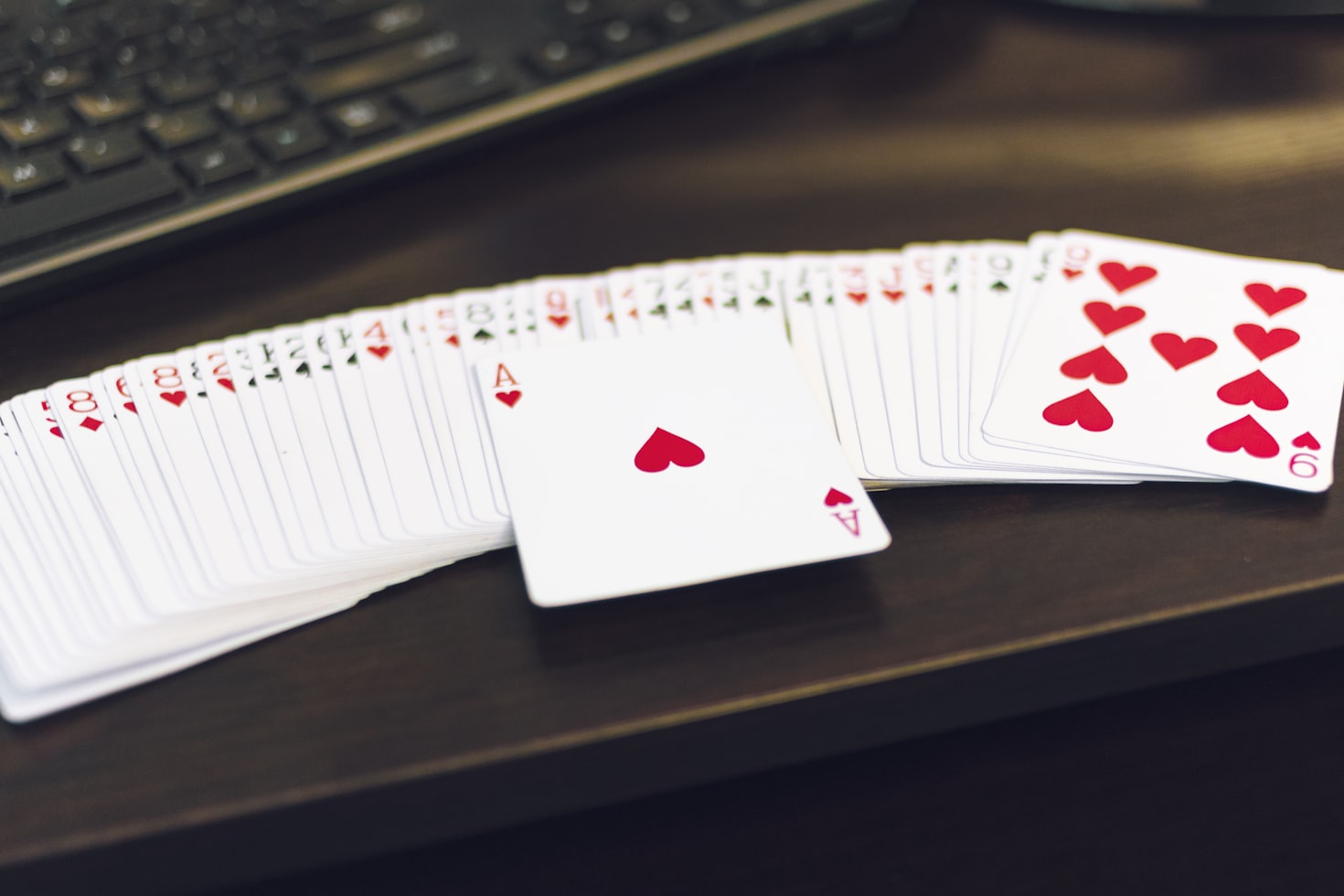
The invention of playing cards in the 14th century, believed to have originated in China, further revolutionized gambling during this era. Cards quickly spread throughout Europe, leading to the creation of card games that became wildly popular among the populace. The establishment of laws governing gambling, such as those enforced by royal decree, illustrated how society was beginning to recognize and regulate gambling as a significant aspect of life. However, this also gave rise to debates surrounding the morality of gambling, setting the stage for future discussions on responsible gambling practices.
During this time, gambling was often viewed with suspicion, leading to waves of prohibition and subsequent acceptance. The fluctuating attitudes toward gambling mirrored broader societal changes, including the Reformation, which influenced perceptions of vice and morality. The establishment of lotteries, which served as a means to fund public projects, further embedded gambling into the socio-economic fabric of the time. This dual role of gambling as both entertainment and public service would continue to evolve in the coming centuries.
The Birth of Modern Gambling in the 18th and 19th Centuries
The 18th and 19th centuries ushered in a new era of gambling, characterized by the establishment of formalized casinos and the introduction of gaming regulations. The first official casino opened its doors in Venice in the early 17th century, but it was during the 18th century that the concept gained widespread popularity across Europe. By the end of the 19th century, cities such as Monte Carlo became synonymous with luxury gambling, attracting the elite and changing the landscape of gambling forever.
During this period, advancements in technology also played a significant role in the evolution of gambling. The invention of the roulette wheel and standardized playing cards created more uniform gaming experiences, making it easier for establishments to offer a variety of games. The first modern lottery was established in France, offering players the chance to win substantial sums of money, further fueling public interest in gambling. This era reflected a growing acceptance of gambling as a legitimate form of entertainment rather than a purely illicit activity.
The introduction of gambling in the United States during this period also marked a significant milestone. The Gold Rush and westward expansion led to the establishment of saloons and gaming houses in burgeoning towns. This burgeoning gambling scene often attracted those seeking fortune, leading to a unique blend of risk and opportunity. The transition from informal betting to organized gambling created an environment where casinos could thrive, paving the way for the modern gambling industry we recognize today.
The Impact of Technology and the Digital Age
The late 20th and early 21st centuries brought a technological revolution that fundamentally transformed the gambling landscape. The advent of the internet introduced online gambling, which opened up new avenues for players to engage in their favorite games from the comfort of their own homes. Online casinos quickly gained popularity, offering an array of games, including slots, poker, and sports betting, creating a global gambling community that transcended geographic barriers.
Technological advancements also facilitated the development of mobile gambling, allowing players to access their favorite games through smartphones and tablets. This shift in accessibility has made gambling more convenient and attractive to a younger audience. With the rise of mobile apps, players can now engage in real-time gaming experiences, fostering social interaction and competition among users around the world. The integration of live dealer games has further enhanced this experience, bridging the gap between online and traditional casino environments.
As gambling has become more mainstream, discussions surrounding responsible gaming practices have also gained traction. Regulatory bodies are increasingly focusing on player protection, ensuring that online casinos implement measures to promote responsible gambling. Tools such as self-exclusion, deposit limits, and educational resources aim to prevent gambling addiction and encourage a healthier approach to gambling. This awareness reflects a broader societal understanding of the potential risks associated with gambling, emphasizing the importance of responsible practices in the digital age.

Exploring Our Website for a Responsible Gambling Experience
Our website is dedicated to providing comprehensive information about the evolution of gambling, as well as insights into responsible gambling practices. We strive to offer a wealth of resources, from historical overviews to modern gaming trends, ensuring that our readers are well-informed about the gambling landscape. By emphasizing the importance of understanding the history of gambling, we encourage players to appreciate the context in which their favorite games exist.
In addition to historical insights, we provide valuable tips and resources on responsible gambling. We believe that education is key to promoting a healthy gaming environment, and our website includes tools to help players make informed decisions. Whether you’re a casual player or a seasoned gambler, our guidance on responsible practices will help you navigate the exciting world of gambling with confidence.
Join us on our journey through the rich history of gambling. We invite you to explore our extensive content, which aims to enlighten and entertain while advocating for responsible gaming habits. Together, we can ensure that the excitement of gambling remains a positive and enjoyable experience for everyone.