The role of luck versus skill in casino game outcomes
Understanding Luck in Casino Games
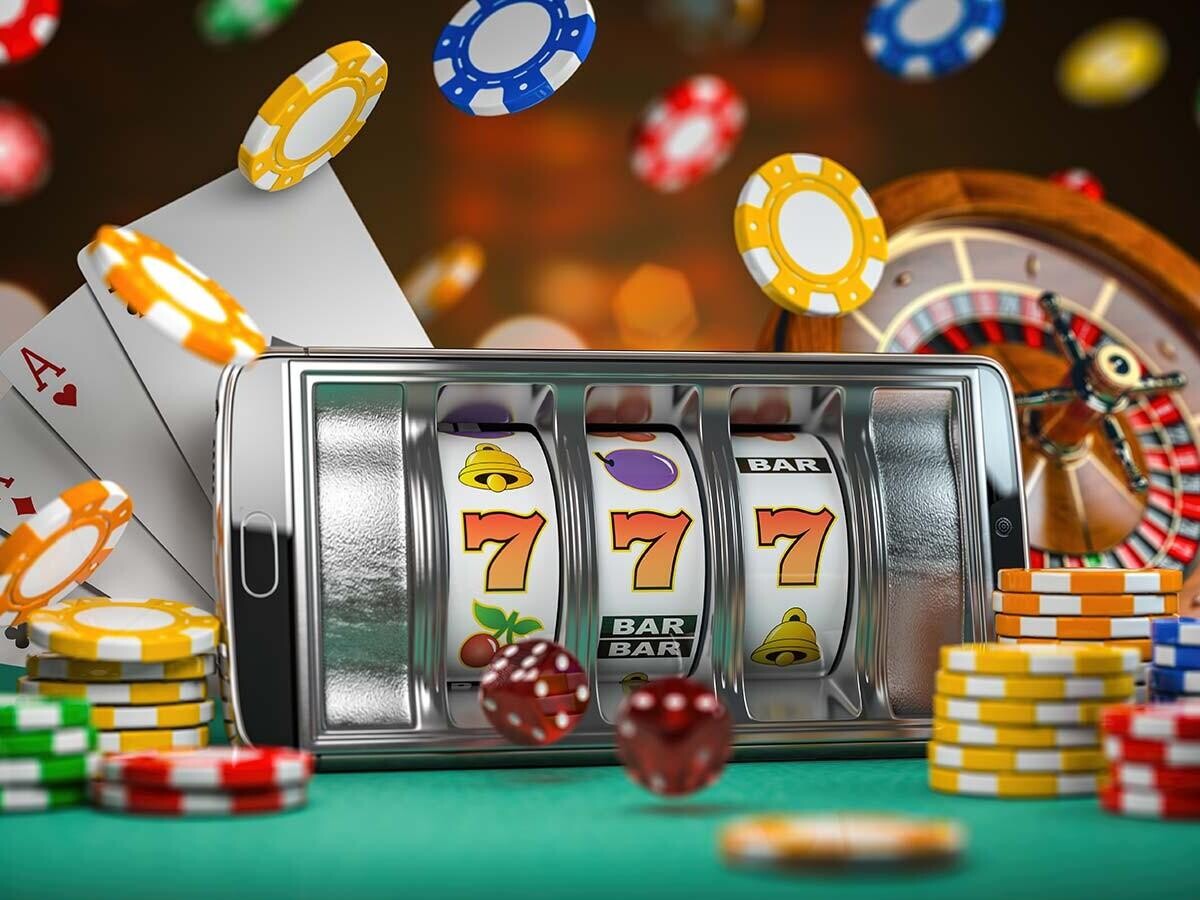
Luck plays a significant role in casino games, often determining the initial outcome of various games. Many popular games, such as slots and roulette, rely heavily on chance rather than skill. For instance, in a game of roulette, the spin of the wheel and the subsequent position of the ball is entirely random. Players can only hope for favorable results, making luck the driving force behind the game’s outcomes.
However, while luck influences immediate results, it is essential to recognize that the odds are mathematically established by the game design. This means that while players may experience short-term victories, the long-term outcomes typically favor the house. Engaging in gameplay without understanding this reliance on luck can lead to unrealistic expectations of winning consistently.
The Role of Skill in Casino Games
In contrast to many games of chance, several casino games involve an element of skill that can significantly impact outcomes. Games such as poker and blackjack require players to make strategic decisions based on probability and the behavior of other players. In these games, skilled players can exploit the rules and their understanding of probability to enhance their winning chances.
For example, in poker, understanding when to bet, raise, or fold can be the difference between winning or losing a hand. Players who have honed their analytical skills through experience can anticipate their opponents’ moves and make more informed decisions. Consequently, while luck may still play a role, skilled players often manage to achieve more consistent success than their inexperienced counterparts.
The Interplay Between Luck and Skill
The relationship between luck and skill in casino games is complex and often debated among players. In some games, skill may guide a player through decisions that can minimize risks and maximize profits. Yet, the unpredictable element of luck always looms larger than one might like. In games like blackjack, even the most skilled player cannot avoid a string of unfortunate hands, illustrating how luck can disrupt skill-based advantages.

This interplay highlights an important consideration for casino enthusiasts: outcomes can vary greatly in both the short and long run. While skillful play can lead to better results over time, relying on luck can sometimes yield astonishing wins. Thus, players need to balance their understanding of both aspects to develop a well-rounded approach to gaming.
Consequences of Misunderstanding Luck and Skill
Failing to recognize the importance of both luck and skill can lead to significant losses at the casino. Many players approach games expecting to rely solely on their abilities, potentially neglecting the fundamental role of chance. This mindset can result in frustration and losses, particularly in games designed primarily around luck.
Moreover, misconceptions about the role of skill can lead novice players to underestimate the strategies that experienced gamblers bring to the table. Without a grasp of the balance between these two elements, players may misallocate their focus and resources, ultimately hindering their overall gaming experience and potential earnings.
Why Choosing the Right Platform Matters
Choosing the right platform for gaming is crucial, as it influences both the elements of luck and skill players encounter. A reputable casino will offer fair odds and transparent game rules, ensuring players have the best chance to utilize their skills effectively while enjoying a fair representation of luck. To find a trustworthy platform, it’s essential to conduct research and read reviews from experienced players.
For an enjoyable and secure gambling experience, you can go to site and explore your options. Understanding the significance of luck and skill in casino games will not only enhance your gaming insights but also ensure that you engage with a platform that values both fair play and player skill development.